1998
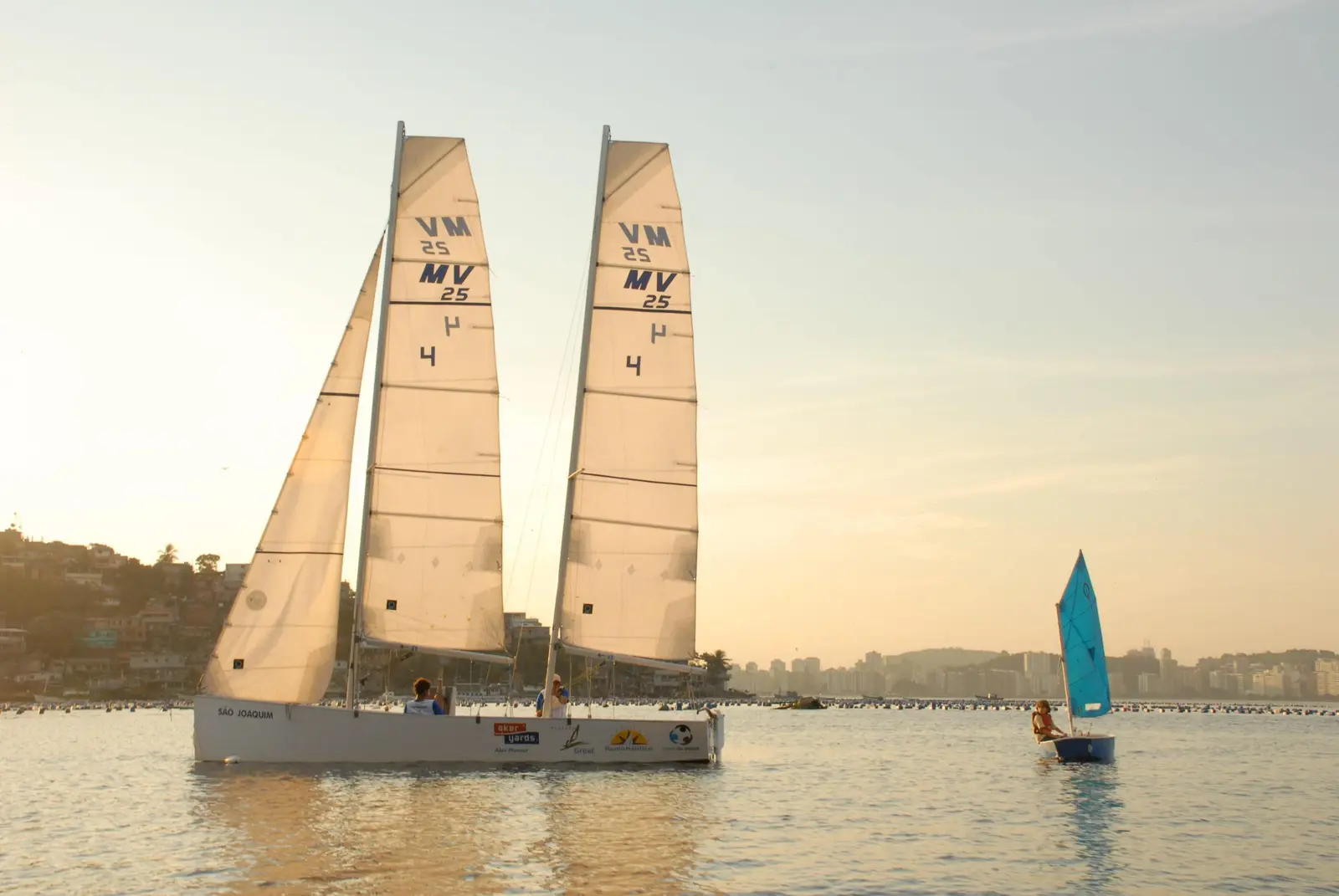
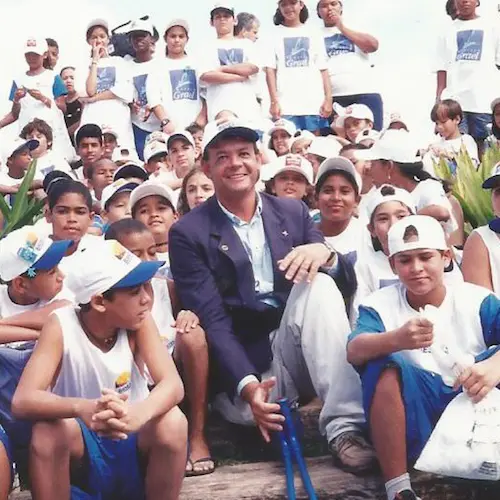
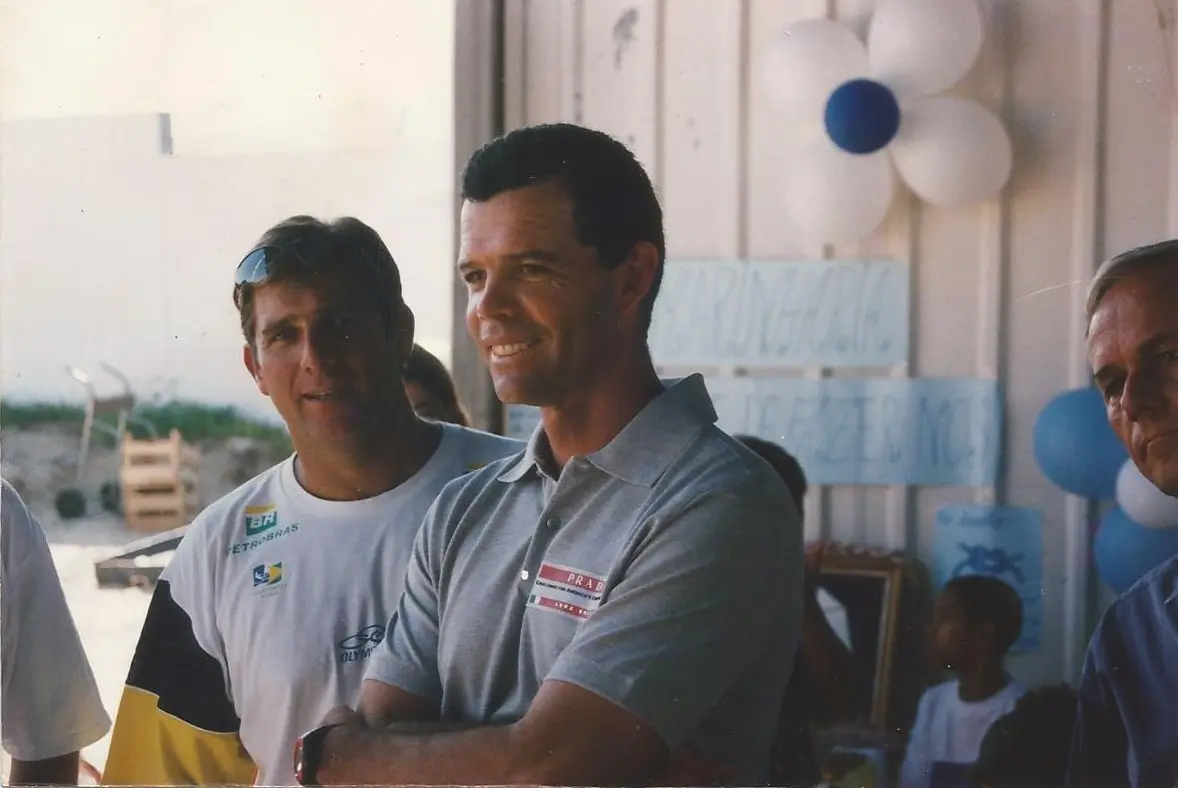
Founded by Olympic medallists Lars Grael, Torben Grael and Marcelo Ferreira on Charitas Beach, Niterói.
1999
The project inspires a federal public policy, Projeto Navegar, with 30 units across Brazil.
2000
Creation of the Instituto Rumo Náutico (IRN), a non-profit civil association based in Niterói, to support, manage and improve the Grael Project.
2003
Honourable mention in the Itaú Social Award, competing with more than 1,700 NGOs from all over Brazil.
2004
New headquarters in the former Samanguaiá hotel and restaurant on Jurujuba Cove, where activities still take place.
2005
First Criança Esperança campaign award and the best project of the year award, given in Amsterdam by the international marine industry. Invitation from Connect to Sailing to the ISAF Annual Conference in Singapore.
2009
Certified as a Civil Society Organisation of Public Interest (OSCIP).
2010
Four project students become the first Brazilians to win the Cape Town–Rio race, in its 40th edition: 17 days non-stop at sea.
2011
The project’s methodology is recognised as a Social Technology by the Banco do Brasil Foundation.
2012
First off-site unit, on a reservoir in Três Marias, Minas Gerais.
2015
Former student Samuel Gonçalves wins the Star class World Championship in Buenos Aires with Lars Grael.
2015–2016
At the invitation of the State Environment Secretary, the “Guanabara Viva” report assesses eco-barriers and eco-boats and proposes answers to floating waste on Guanabara Bay.
2016
Seventh Criança Esperança campaign award.
2017
Nomination for the Canal OFF 5 Years award, a Sou do Esporte Solidário award, and an UNODC call for youth crime prevention through sport.
2018
Twenty years on, canoeing begins, sponsored by the Laureus Sport for Good Foundation in partnership with the Brazilian Canoeing Confederation.