Programs
Sports, professional and environmental. All free of charge.
The route
Environmental education runs alongside the whole route.
- Ages 9 to 29
Swimming
Adapting to the sea and staying safe: breathing, immersion, flotation and propulsion.
- After approval
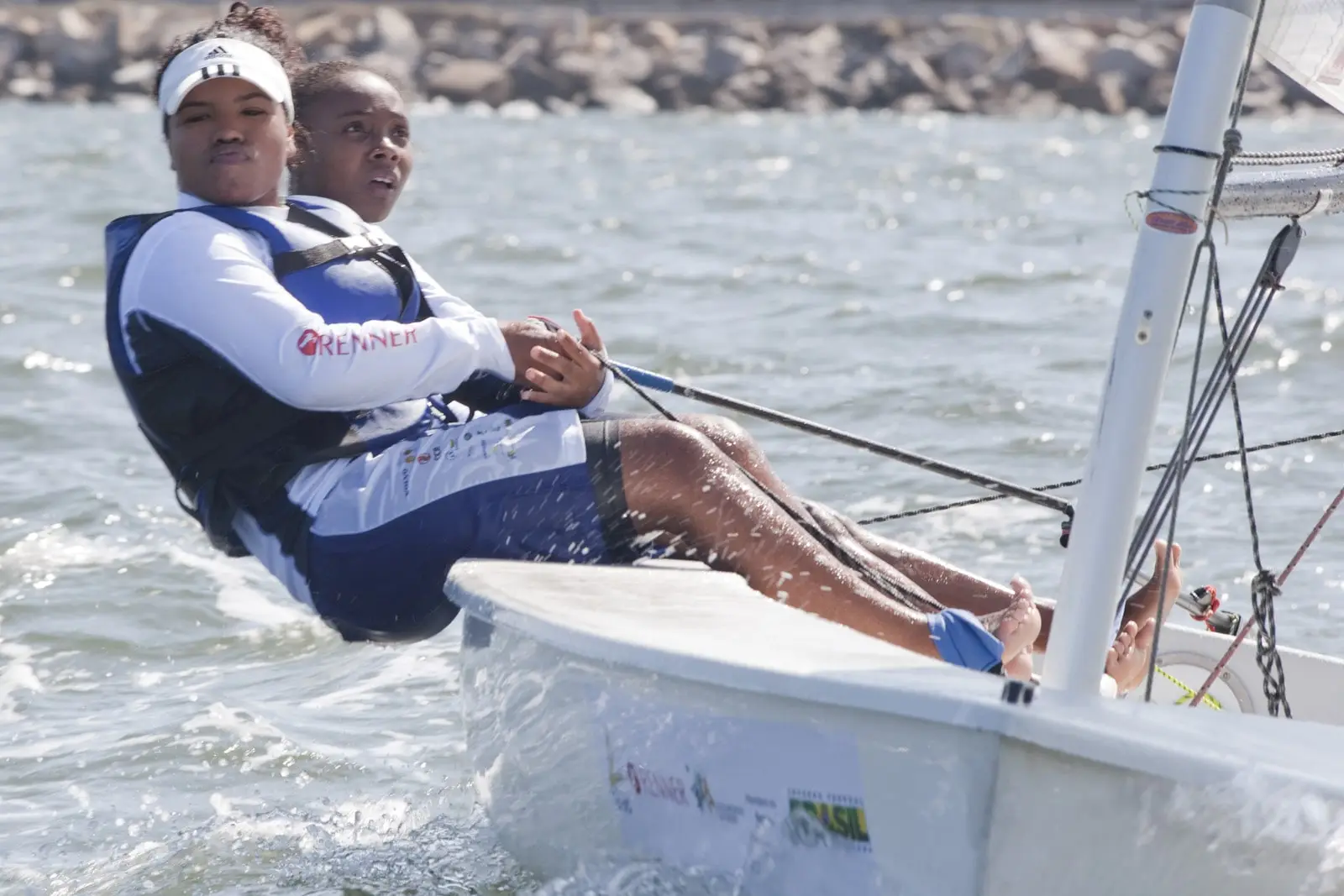
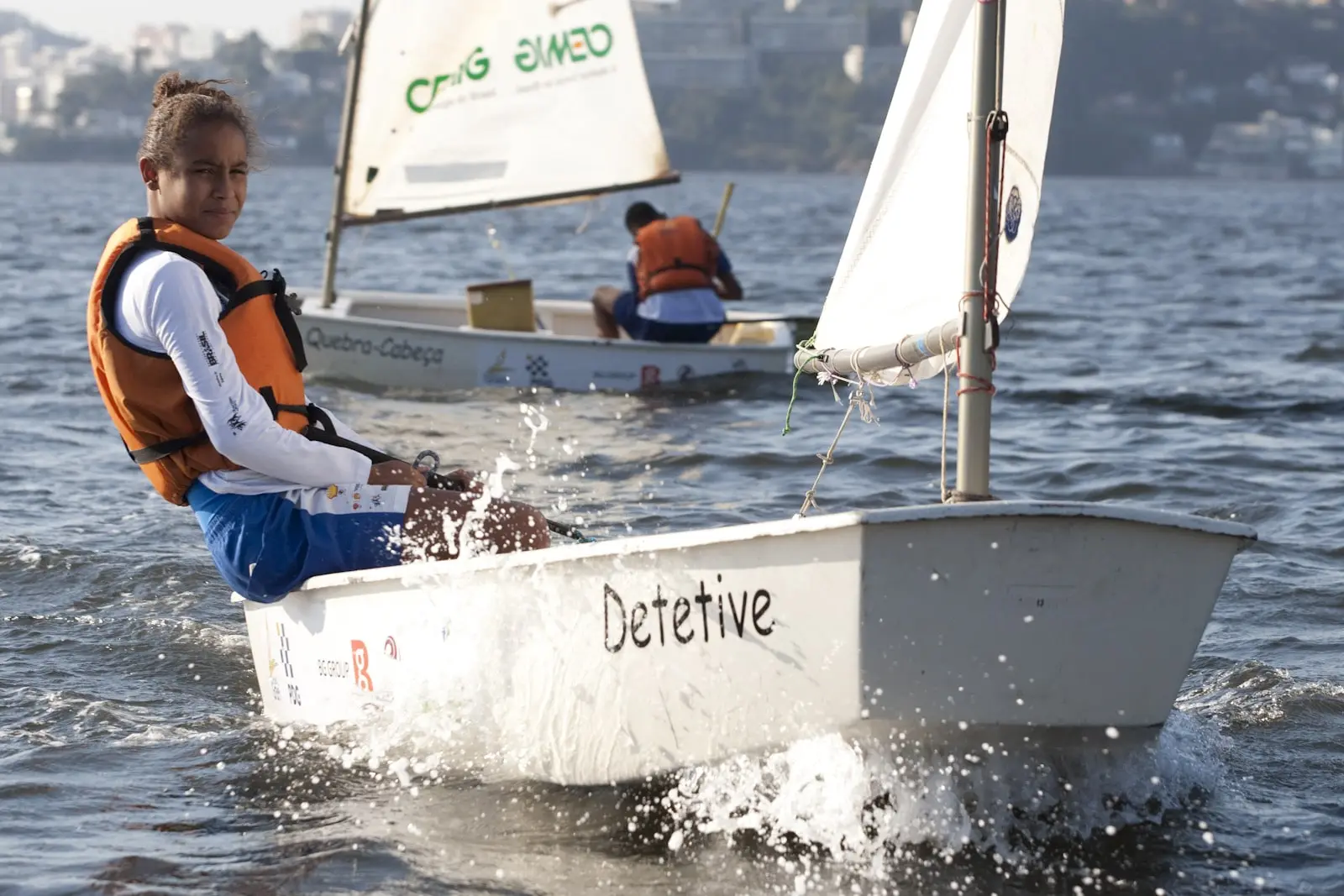
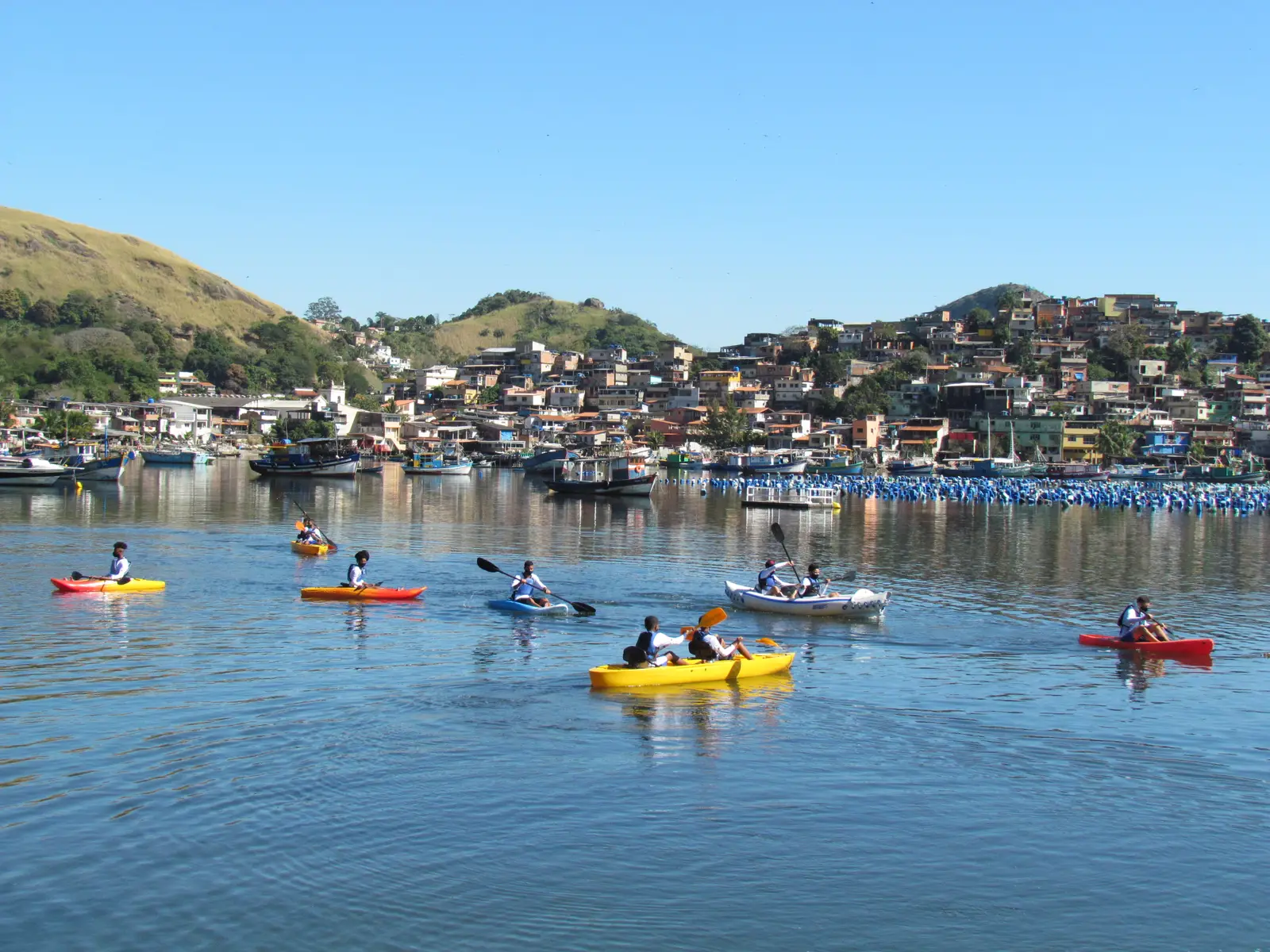
Sailing or canoeing
Those who pass the swimming stage move on to classes on the water.
- Ages 18 to 29
Nautical workshops
Trades related to boats and to the sport and leisure industry.
- Next
First job
Preparation for work in the nautical sector and related fields.
Sports Program
We believe sport is a tool for whole human development. The program serves children and young people aged 9 to 29.
Swimming lessons and tests aim to build adaptation and safety at sea, developing breathing, immersion, flotation and propulsion. Those who pass are referred to sailing or canoeing classes.
Practising both sports, besides making the activity enjoyable, develops motor, cognitive, intellectual and social skills.
Our method of using boats as educational instruments contributes to self-confidence, discipline, leadership and crew spirit, and develops a sense of opportunity and risk, of challenge and limits, and respect for adversity.
Professional Program
Part of the educational sport route, for people aged 18 to 29 who are enrolled in or have completed public high school.
It contributes to personal, human and professional development, with new opportunities, knowledge and experience in the nautical area and in the sport and leisure industry, preparing students for their first job.
Workshops
Nautical upholstery and canvas work
Sewing and repairing sails, boat covers, cushions, bags, flags and awnings, with uses beyond the nautical field, such as home awnings.
Boat carpentry
Making and repairing boat interiors and small wooden boats, with skills that also apply outside the marine sector.
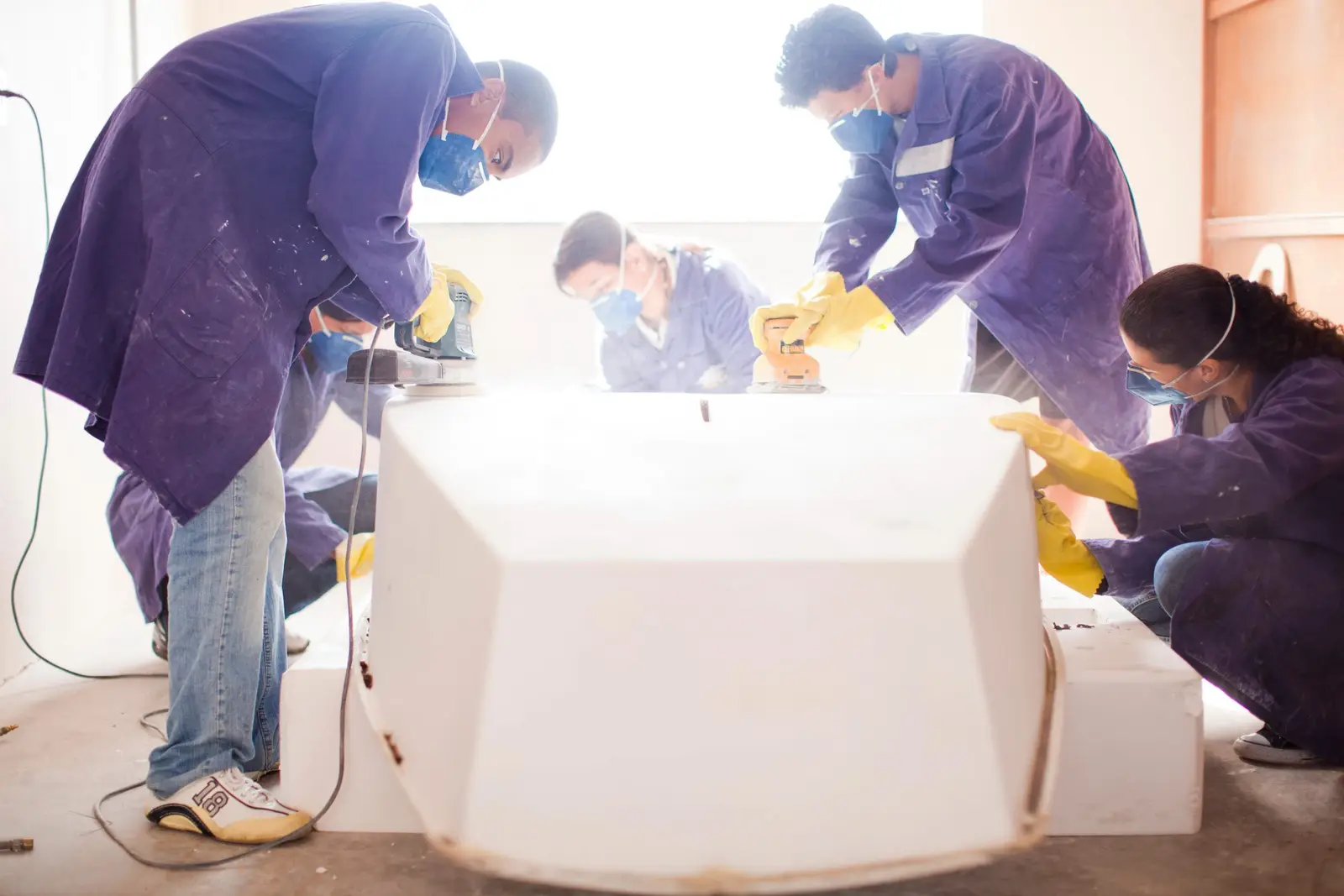
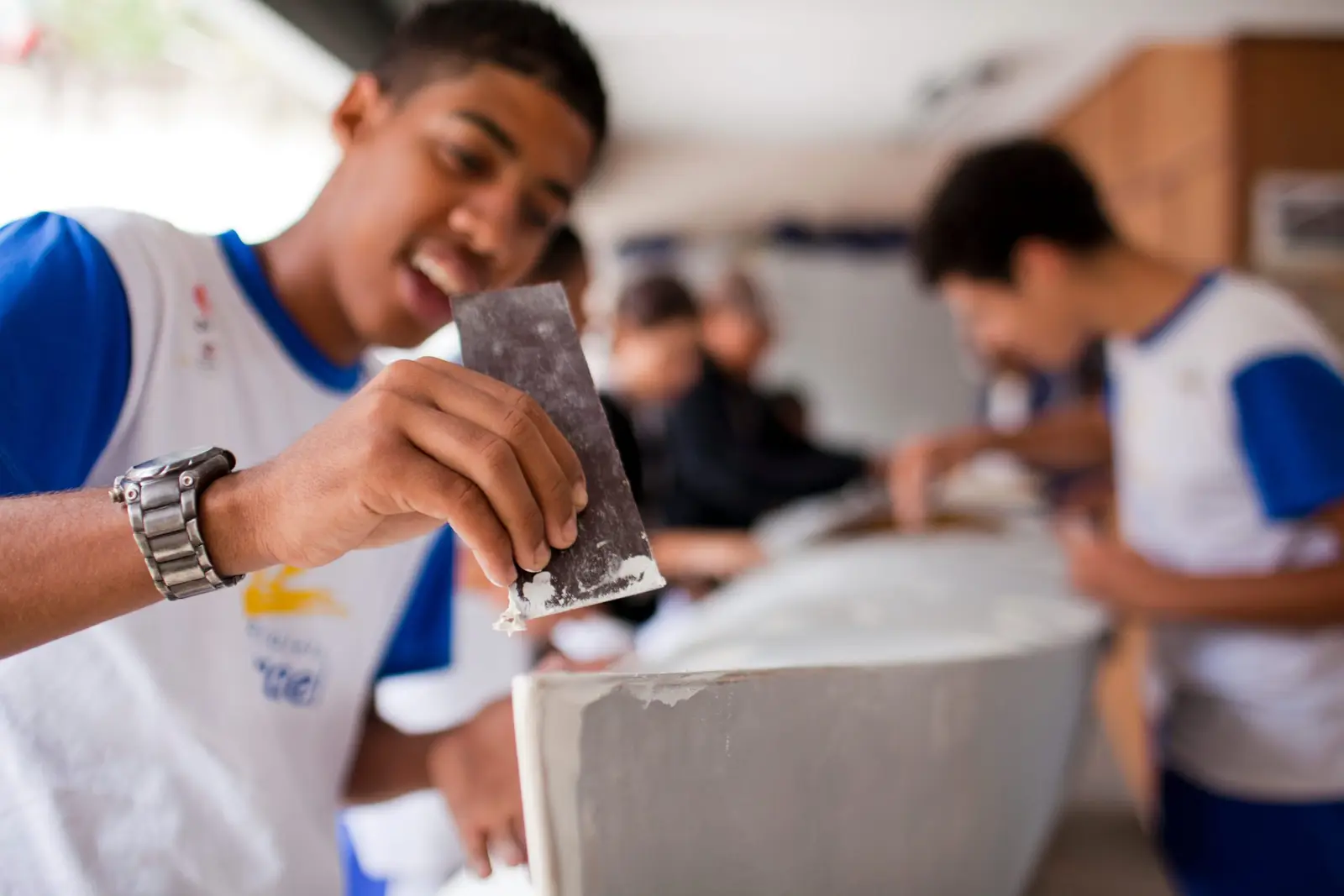
Fiberglass
Training for fiberglass boatbuilding: moulding, lamination and repairs. Also useful elsewhere, such as surfboards and pool moulds.
Marine electrical installations
Maintenance and electrical installations for small and leisure boats, with foundations that apply to building and industrial work.
Electrics with a focus on solar power
Sizing, installing and maintaining photovoltaic power on boats, applicable beyond the nautical world.
Outboard engine mechanics
Basics of operating, repairing and maintaining two- and four-stroke petrol outboards used on small boats.
Diesel engine mechanics
Introduction to marine diesel engines and small-boat propulsion, with knowledge that also applies to buses and trucks.
Environmental Program
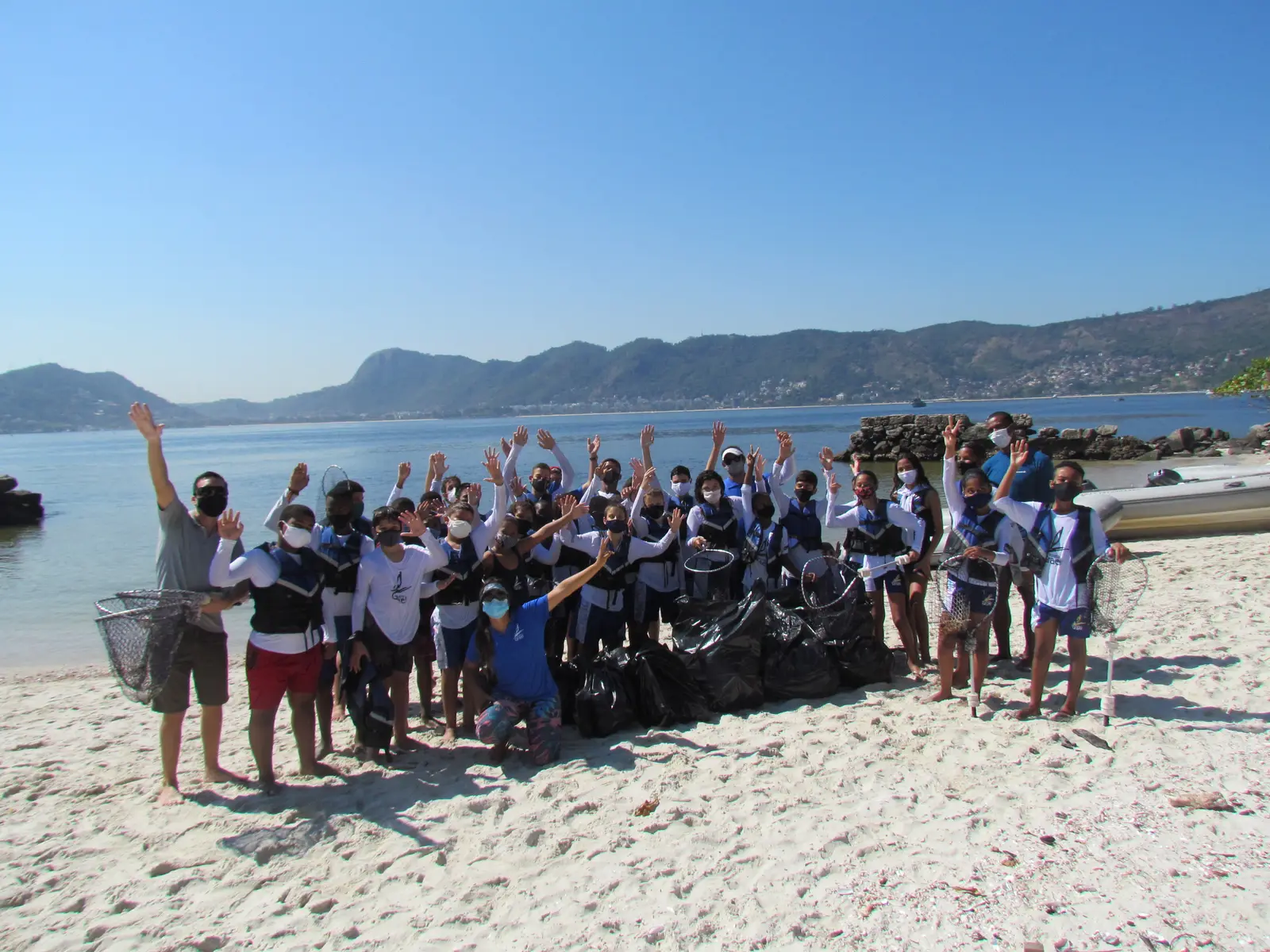
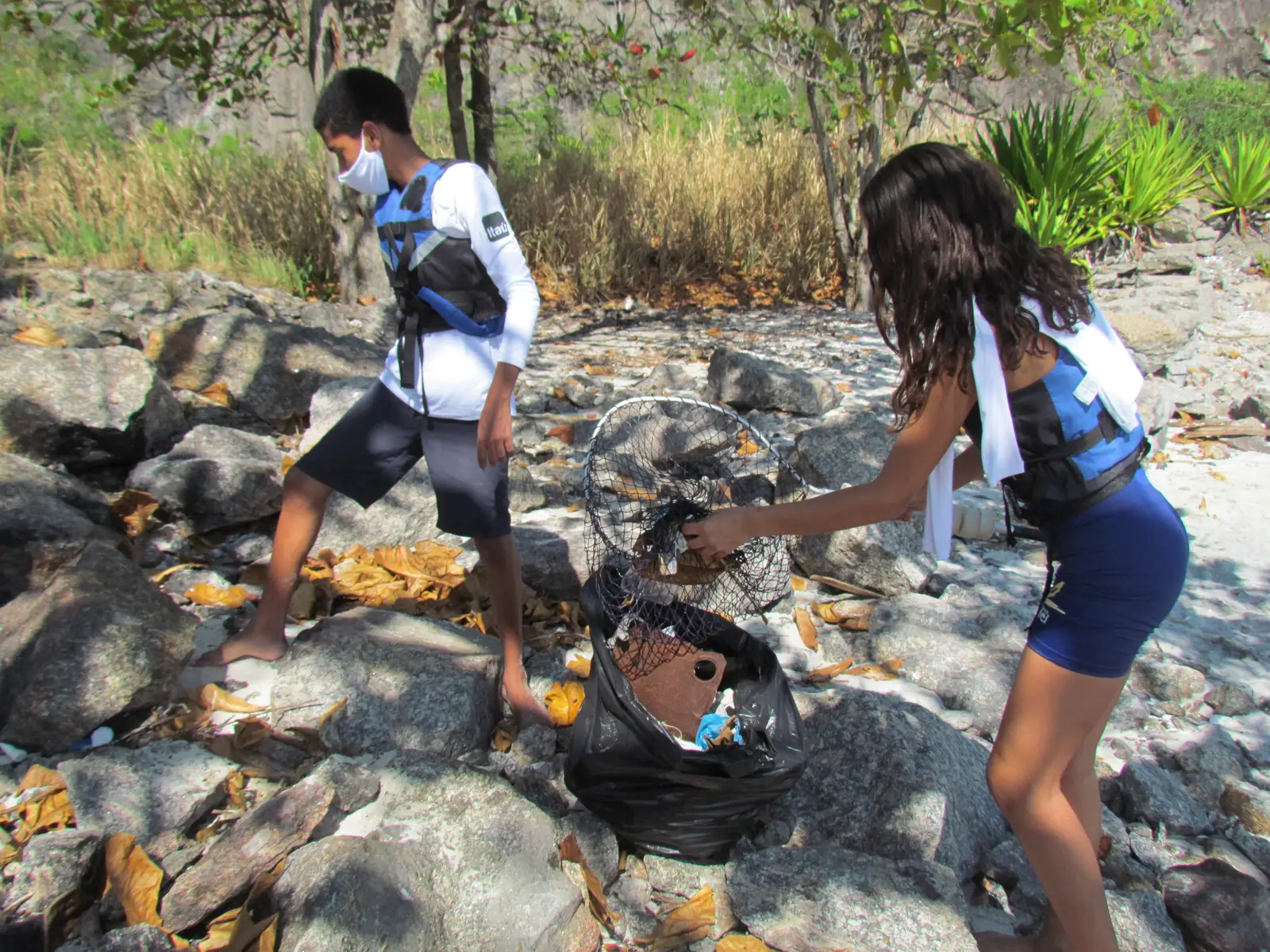
Interest in environmental issues grows out of sports practice. Our main focus is Guanabara Bay, its biodiversity and its social and environmental issues.
Environmental education projects address floating waste, recycling and conscious consumption.
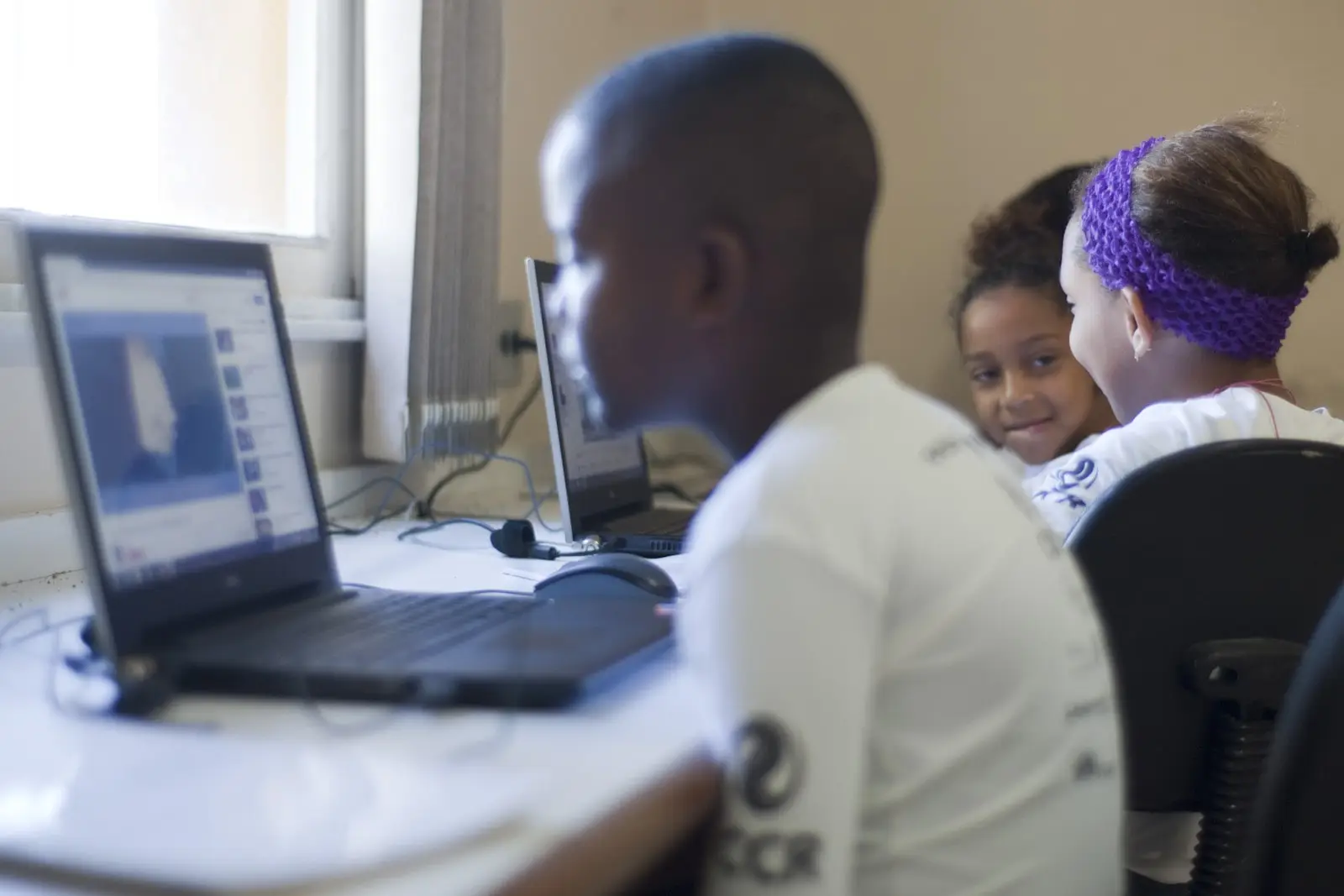
The institution also offers a library, environmental education and digital inclusion classes to all students, and joinery classes for children.
How to join
Applications open twice a year, usually in January and June. Exact dates are announced on the project’s social media.
Office hours: 8 am to 5 pm.
Requirements and dates may change. Check with the office before visiting.
Documents required for enrolment
- School declaration or certificate of completion from a public school, issued in the enrolment year
- Medical certificate for sports activities, from the enrolment year (current or previous month)
- Copy of the student’s ID and CPF (tax number), or birth certificate
- Copy of the guardian’s ID and CPF (for under-18s)
- Copy of a proof of address
- Proof of COVID-19 vaccination (all doses)
- NIS number (for families registered in CadÚnico)